
All Things New
All Things New
Then I saw a new heaven and a new earth, for the first heaven and the first earth had passed away, and the sea was no more.
Revelation 21:1-4
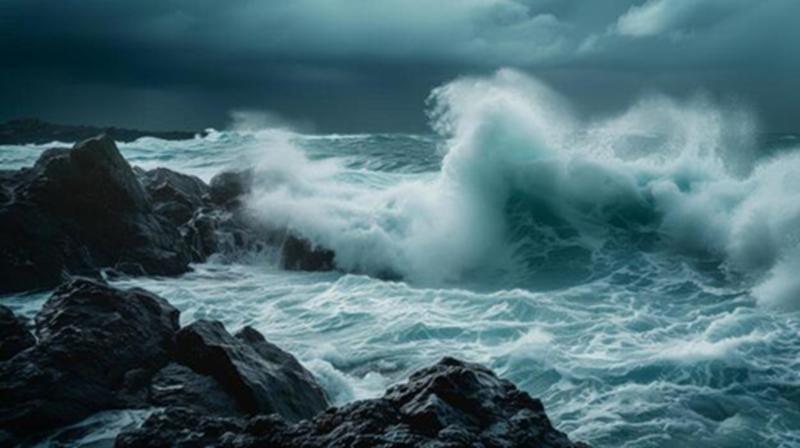
The sea is a symbol of God’s creative power and an emblem of beauty, vastness, recreation, commerce, etc. It can also be, as it is here, a reference to the dwelling place of wickedness, the place where the devil and his cohorts dwell. It is a body full of hostility and destructive power. The raging tempest-tossed waters symbolize the nations of the world and even the Christian church in conflict. But the sea “was no more.” In the new heaven and earth, all that pertains to sin, brokenness of life, the fomenting and agitation of mankind, is removed.
That John sees a “new heaven and a new earth” does not indicate a replacement, meaning that the old is discarded. It means they have become new again. Renewed. Rejuvenated. Purified. Cleansed. Every stain of sin, every scar of wrong, every occasion of conflict, every stab of pain, every trace of death is removed. The weeds, thorns, and thistles are all gone. The old bodies of believers are raised up, purified, cleansed, and restored to original shine and glory!
This newness is expressed with the image of a tent. Literally, verse 3 states, “Behold, the tent of God is with man. He will tent with them...” Here “tent” does not indicate temporariness or vulnerability but indwelling. God will make his sanctuary and dwelling place among men. In the new Jerusalem, in the new, perfect, and everlasting church of Christ, God will dwell right there in her midst. Paradise will be restored!
It is a most beautiful scriptural theme: the desire of God to dwell with his creature. The ultimate Paradise is where God walks and talks with man forever. Whereas sin drove man away from God, and fellowship with him was destroyed, God in his grace will restore that covenant fellowship. The earthly tabernacle in Shiloh and the more permanent temple in Jerusalem on Mt. Zion, with all its sacrifices of bulls and lambs, were not sufficient to restore that fellowship. No, God still needed to promise Emmanuel, “God with us.” This was fulfilled in the coming down of God himself, in the incarnation of his eternal Son Jesus Christ in the form of man.
Think about what the same apostle John wrote in his gospel, 1:14, “And the Word became flesh and dwelt among us, and we have seen his glory, glory as of the only Son from the Father, full of grace and truth.” Here too the original makes the same connection. Literally, the Word became flesh and tented among us. The Son of God “pitched his tent” among us.

This first dwelling of God with man in Jesus Christ was not the perfect completion, because although sin and death were conquered by Christ, its remnants remain with us, so that church and world still experience them today: tears, death, mourning, crying, and pain. At the second coming of Christ, in the new heaven and earth, all these remnants of sin will be removed, truly and for good. The purifying wrath of God will remove it all. He will restore heaven, earth, and the church to pristine beauty and glory, which can never again be corrupted, because it is transformed and raised imperishable with Christ!
We, God’s people, will be raised up to newness of life, a newness that will never again show signs of oldness. It will be an eternal glory in which to praise God forever. It comes to us through grace alone in Jesus Christ.
In this vision John has a picture of the fullness of what we are already now beginning to experience in this life. One day we believers will get to enjoy all this beauty, perfection, and divine presence together in the glorious heavenly Jerusalem! That will be the new place we call home!
Further Study⤒🔗
- Are the new things promised in this vision something of the future only, when Christ comes again? How can we experience this newness already today?
- How does this vision give comfort in the time of loss of a believing loved one?
Add new comment